Cladding Remediation: Intrusive investigation works are critical
When a building is flagged for unsafe cladding, the path to remediation can seem daunting and complex. For building owners, residents, cladding consultants and property managers, the conversation often begins with phrases like “combustible cladding” and “fire risk.” But before a single panel is removed and a new one installed, there is one crucial, often misunderstood, step that forms the bedrock of a safe and successful project: cladding opening up work, also known as intrusive investigation works.
This process is far more than a simple inspection. It is a meticulous, invasive investigation that reveals the hidden facts of a building’s external wall system, moving the project from a state of uncertainty to one of actionable, data-driven strategy. Without this critical phase, a remediation project risks being incomplete, non-compliant, and ultimately, ineffective in securing the safety of residents.
What Exactly Are “Cladding Opening Up Works”?
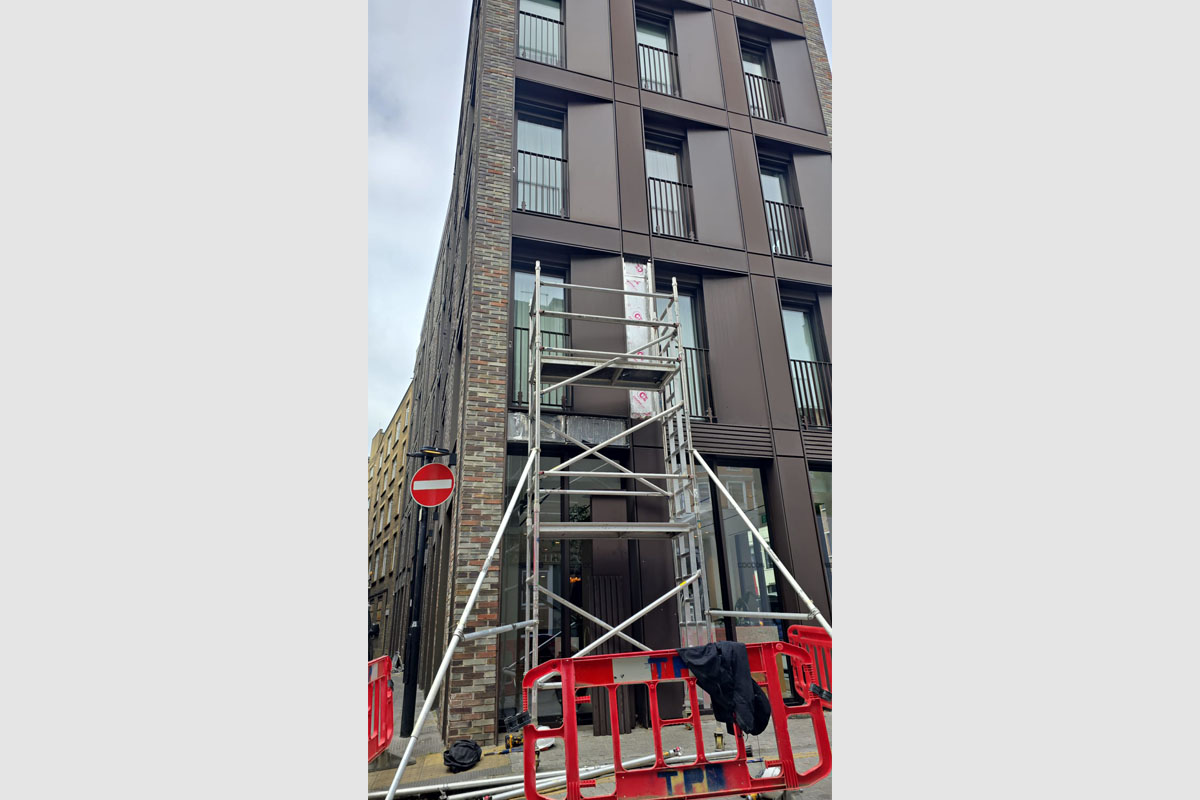
At its core, “cladding opening up works” refers to the physical deconstruction of a building’s external facade in selected areas to inspect the layers underneath. Think of it as a surgical procedure for a building’s exterior. Unlike a visual inspection, which can only confirm what is visible from the outside, opening up works involves the careful and methodical removal of cladding panels to expose the:
● Insulation: The type and condition of the insulation material is a primary concern. Many cladding failures were not just about the outer panels but the highly combustible insulation behind them.
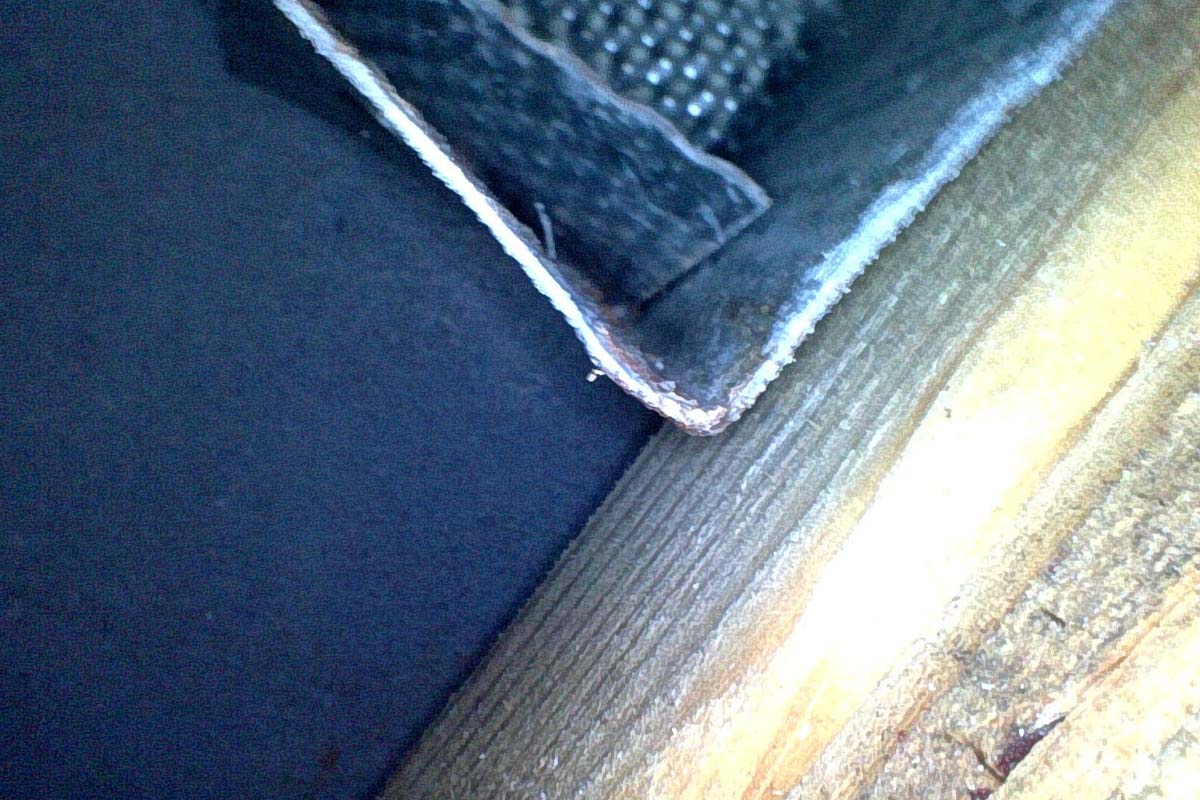
● Fire Barriers: These are life-critical components designed to prevent the vertical and horizontal spread of fire within the building’s cavities. Opening up works verify their presence, correct installation, and integrity.
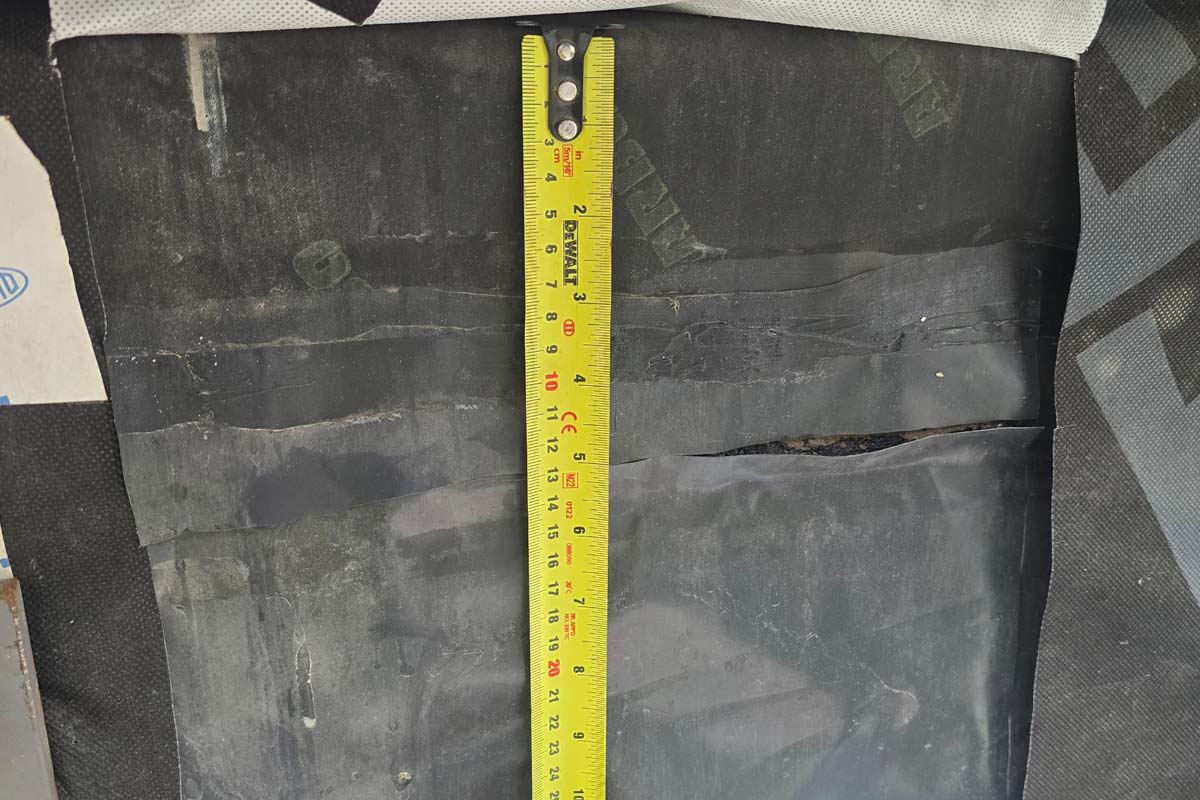
● Sub-structure and Vapour Control Layers: This includes the rails and brackets that hold the cladding in place, as well as the membranes that protect the building from moisture.
This is not a random process. The areas to be opened are strategically chosen based on the initial findings of a desktop study and the recommendations of a fire engineer. The goal is to obtain a representative sample that can inform a comprehensive and accurate report on the entire building.
The Unseen Dangers: Why This Step Is Non-Negotiable
While a visual assessment might flag a specific type of cladding, it cannot reveal the full extent of the problem. The most significant fire risks are often hidden, and opening up works are essential for uncovering them.
- Verifying Materials and Installation: A building plan may specify non-combustible insulation, but without a physical inspection, there is no guarantee that the correct materials were used or that they were installed properly. For instance, gaps in fire barriers, poor jointing, or incorrect fixings can all render a seemingly compliant system unsafe.
- Uncovering “Hybrid” Systems: Many buildings were constructed with a mix of materials, some compliant and others not. A visual inspection might miss the pockets of unsafe cladding or the use of combustible materials in different sections of the building. Opening up works provide a definitive answer.
- Preventing Costly Rework: Imagine a scenario where a building owner proceeds with remediation based on a visual survey alone. They replace the outer cladding panels only to discover later that the underlying insulation and fire barriers were also deficient. This would require a second, equally expensive, and disruptive project to correct the initial oversight.
By investing in a thorough investigation upfront, building owners can save significant time, money, and stress in the long run. It is the single most effective way to avoid a partial or failed remediation project.
The “Opening Up” Process in Practice
A cladding remediation project is a multi-stage journey, and opening up works are a key milestone. Here’s how it fits into the broader timeline:
1. Initial Assessment and Fire Risk Appraisal: A fire engineer will conduct a Fire Risk Appraisal of External Walls (FRAEW), often following the PAS 9980 methodology. This initial step involves a detailed review of all available documents and a visual inspection. If the findings are inconclusive, the FRAEW will recommend opening up works.
2. The Physical Investigation: A specialist contractor, with the guidance of the fire engineer, will carefully remove panels in the specified areas. This process is documented meticulously with photographs and detailed notes to create a full schedule of defects.
3. Detailed Reporting: All findings are compiled into a comprehensive report. This document will specify every defect, from the presence of combustible insulation to improperly installed fire barriers. It forms the basis of the remediation specification.
4. Remediation and Certification: With a clear and accurate understanding of the issues, the contractor can create a precise plan for the full facade strip and re-clad. The project can be executed with confidence, knowing that all fire safety defects will be addressed. Upon completion, the building can be formally certified as safe, often with a new EWS1 form.
The Big Picture: Safety, Value, and Peace of Mind
The focus on cladding opening up works is not just a matter of compliance; it is a matter of life safety. The tragic lessons of the past have taught us that we cannot make assumptions about the safety of our buildings.
For building owners, undertaking a thorough “opening up” investigation is the most responsible action they can take. It not only ensures the safety of their residents but also protects their asset. A building that has been fully remediated and certified as safe holds its value in the marketplace and offers peace of mind to all who live and work within its walls.
Cladding remediation is a complex process with many moving parts. But by recognising the critical importance of cladding opening up works, we can ensure that every project starts on the right foot—with clarity, accuracy, and a non-negotiable commitment to safety.